

Parenthood moves fast—and if you’re searching for practical ways to make daily family life smoother, you’re in the right place. This article is designed to help you simplify routines, strengthen connection, and feel more confident in your caregiving approach. From realistic wellness ideas for moms to meaningful bonding activities and family meal prep shortcuts, we focus on strategies that actually work in busy households.
Parents often feel overwhelmed by conflicting advice and endless to-do lists. That’s why this guide brings together experience-backed nurturing tactics, practical childcare hacks, and thoughtfully curated resources that support both caregivers and curious young minds. Every recommendation is rooted in proven parenting principles and real-world application—not trends that fade in a week.
Whether you’re looking to create calmer mornings, more connected evenings, or healthier home rhythms, this article delivers clear, actionable insights to help your family thrive every single day.
Weeknights used to unravel at 5 PM. I’d stare into the fridge, hope for inspiration, and end up ordering takeout (again). First, I tried cooking elaborate Pinterest dinners—big mistake. The kids revolted, and I was exhausted. Then I swung too far, batch-cooking everything on Sunday, which burned me out.
Here’s what finally worked:
- Plan three core dinners, not seven.
- Prep ingredients, not full meals.
- Keep one backup freezer option.
In other words, simplicity wins. By using family meal prep shortcuts, I stopped chasing perfection and started protecting our evenings. As a result, stress no longer rules. Dinner.
The Foundation: Smart Planning for Stress-Free Meals
If weeknight dinners feel like a daily pop quiz you forgot to study for, you’re not alone. Most meal planning advice skims the surface. Let’s go deeper.
The “Theme Night” Method
Assigning themes—Meatless Monday, Taco Tuesday, Pasta Wednesday—reduces what psychologists call decision fatigue (the mental drain caused by too many choices). Instead of asking “What’s for dinner?” you’re only deciding which taco. That small constraint creates surprising freedom (and fewer 5 p.m. stare-downs with the fridge).
Inventory First, Shop Second
Before writing a grocery list, scan your pantry, fridge, and freezer. This habit cuts food waste—an estimated 30–40% of the U.S. food supply goes uneaten (USDA). Competitors mention budgeting; few connect inventory checks to teaching kids resource awareness. Let them help spot duplicates.
The “Cook Once, Eat Twice” Philosophy
Double recipes like chili or roasted chicken with minimal extra effort. Leftovers become tomorrow’s win. Pro tip: repurpose creatively—roast chicken becomes quesadillas, not “leftover night.”
Involve the Family
Give each child one meal pick per week. Ownership reduces resistance (yes, even with broccoli).
• Build a rotating 4-week theme calendar.
• Keep a shared digital list for real-time updates.
These small systems double as family meal prep shortcuts that protect time, money, and sanity.
Core Strategies: The Three Levels of Meal Prep
Meal prep doesn’t have to mean spending your entire Sunday in the kitchen questioning your life choices. Instead, think of it as a three-level game—except everyone wins dinner.
Level 1: Ingredient Prep (The 30-Minute Win)
First up, the easiest entry point. Ingredient prep simply means washing and chopping vegetables, whisking together dressings, and marinating proteins ahead of time. In other words, you’re doing the annoying parts early so Weeknight You can feel smug later. Studies show that visible, ready-to-use produce increases the likelihood you’ll actually eat it (Harvard T.H. Chan School of Public Health). Translation: chopped carrots get eaten; forgotten carrots become science experiments. Pro tip: store prepped veggies in clear containers at eye level.
Level 2: Component Cooking (The Mix-and-Match)
Next, we level up. Component cooking involves preparing versatile bases—like quinoa, roasted sweet potatoes, shredded chicken, or black beans—that can be combined in multiple ways. One night it’s burrito bowls, the next it’s hearty salads. Think of it as building a capsule wardrobe, but for dinner (Steve Jobs would approve of fewer decisions). This approach is one of those underrated family meal prep shortcuts that keeps things flexible without feeling repetitive.
Level 3: Full Meal Assembly (The Grab-and-Heat)
Finally, full meal assembly is your grab-and-go hero. Cook complete meals, portion them into containers, and refrigerate or freeze. Soups, stews, casseroles, and pasta bakes freeze beautifully, while seafood dishes are better enjoyed within a few days (USDA Food Safety Guidelines). Admittedly, some argue fresh is always best. Fair—but when 6 p.m. hits and everyone’s hungry, “fresh” loses to “ready.” And honestly, that’s a win.
Time-Saving Hacks for the Busy Parent
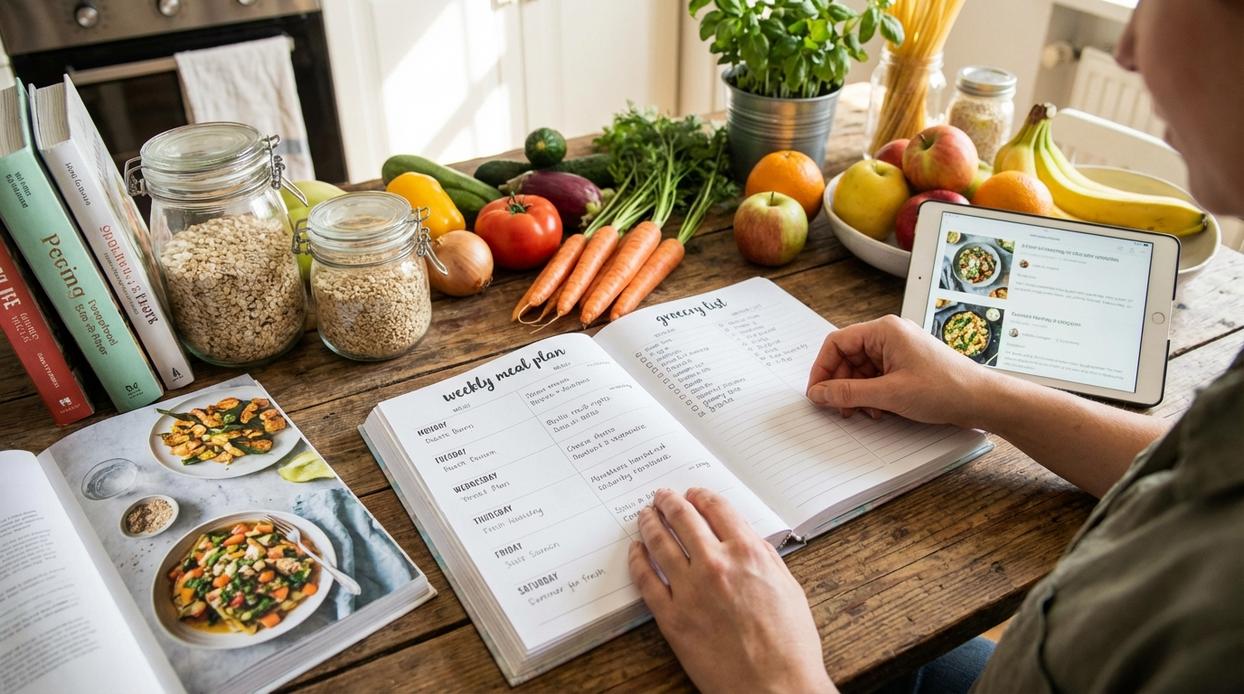
When your evenings feel like a relay race between homework and hunger, smart kitchen shortcuts deliver real breathing room. The payoff? Faster dinners, less cleanup, and more time at the table actually connecting.
First, embrace “flavor bombs.” These are small, high-impact ingredients—like pesto, caramelized onions, or ginger-garlic paste—that transform basic meals in seconds. Stir pesto into pasta, spread caramelized onions on sandwiches, or toss ginger-garlic paste into stir-fry. Suddenly, “just chicken and rice” tastes restaurant-worthy (and no one complains). The benefit is simple: minimal effort, maximum taste.
Next, lean on the sheet pan method. Roast salmon and asparagus at 400°F for 12–15 minutes, or chicken thighs with broccoli at 425°F for 25–30. One pan means fewer dishes and synchronized cooking. That’s time saved twice.
Meanwhile, your freezer becomes a secret weapon. Keep pre-chopped mirepoix, smoothie packs, and uncooked meatballs ready to go. These family meal prep shortcuts cut weeknight prep in half.
Finally, prep slow cooker “dump bags.” Add protein, veggies, and sauce to a freezer bag, then thaw and cook. Dinner practically makes itself—freeing you for what matters, like organizing kids schedules without the stress: https://scoopnurturement.com/organizing-kids-schedules-without-the-stress/
Pro tip: Label everything with dates. Future-you will be grateful.
Storage and Safety: Keeping Your Food Fresh and Delicious
I’ll say it: glass containers win. Every time. Glass doesn’t stain, doesn’t trap odors, and won’t warp in the dishwasher. Plastic is lighter and cheaper (and yes, less heartbreaking when dropped), but it scratches easily—and those scratches can harbor bacteria (CDC). Whatever you choose, airtight seals are non-negotiable. Air is the enemy of freshness.
Now, the “cool down” rule. I know it’s tempting to shove hot leftovers straight into the fridge after a long day. Don’t. Let food cool slightly first so you don’t raise the fridge’s internal temperature, which can encourage bacterial growth (USDA). But don’t leave it out longer than two hours. Balance matters.
Label everything. A strip of tape with a date saves you from the dreaded mystery container.
Finally, create an “Eat First” zone. It’s one of my favorite family meal prep shortcuts—and it actually works.
From Kitchen Chaos to Calm: Making Meal Prep Stick
You now have a complete toolkit to conquer the weeknight dinner rush, freeing up precious time for family bonding. The real issue was never recipes—it was the absence of a repeatable system (yes, even superheroes need routines).
Here’s my recommendation: start small. Pick one anchor habit, like ingredient prep, and test it for a week. Chop veggies, marinate proteins, or batch-cook grains ahead—simple family meal prep shortcuts can transform frantic evenings into calmer ones.
Progress beats perfection. Celebrate one smoother dinner. Then build momentum. Consistency—not complexity—is what makes it stick.
Create Calmer, Happier Days at Home
You came here looking for realistic ways to make parenting feel lighter, more connected, and less overwhelming. Now you have practical nurturing tactics, simple wellness ideas, and meaningful bonding strategies you can start using right away.
The truth is, the hardest part of parenthood isn’t love — it’s the daily juggle. The mental load. The constant question of whether you’re doing enough. Small, intentional changes like shared routines, mindful moments, and smart family meal prep shortcuts can ease that pressure and bring more calm into your home.
Don’t let exhaustion keep running the show. Start with one tip today. Try one bonding ritual tonight. Implement one system that saves you time this week.
If you’re ready for simpler days, smoother routines, and more joyful family moments, explore more of our trusted, parent‑approved resources and put them into action now. Your family deserves days that feel connected — not chaotic.
 Founder & Chief Visionary Officer
Xyphos Velmyre writes the kind of nurturing tactics and routines content that people actually send to each other. Not because it's flashy or controversial, but because it's the sort of thing where you read it and immediately think of three people who need to see it. Xyphos has a talent for identifying the questions that a lot of people have but haven't quite figured out how to articulate yet — and then answering them properly.
They covers a lot of ground: Nurturing Tactics and Routines, Daily Parenthood Highlights, Scoop Family Bonding Moments, and plenty of adjacent territory that doesn't always get treated with the same seriousness. The consistency across all of it is a certain kind of respect for the reader. Xyphos doesn't assume people are stupid, and they doesn't assume they know everything either. They writes for someone who is genuinely trying to figure something out — because that's usually who's actually reading. That assumption shapes everything from how they structures an explanation to how much background they includes before getting to the point.
Beyond the practical stuff, there's something in Xyphos's writing that reflects a real investment in the subject — not performed enthusiasm, but the kind of sustained interest that produces insight over time. They has been paying attention to nurturing tactics and routines long enough that they notices things a more casual observer would miss. That depth shows up in the work in ways that are hard to fake.
Founder & Chief Visionary Officer
Xyphos Velmyre writes the kind of nurturing tactics and routines content that people actually send to each other. Not because it's flashy or controversial, but because it's the sort of thing where you read it and immediately think of three people who need to see it. Xyphos has a talent for identifying the questions that a lot of people have but haven't quite figured out how to articulate yet — and then answering them properly.
They covers a lot of ground: Nurturing Tactics and Routines, Daily Parenthood Highlights, Scoop Family Bonding Moments, and plenty of adjacent territory that doesn't always get treated with the same seriousness. The consistency across all of it is a certain kind of respect for the reader. Xyphos doesn't assume people are stupid, and they doesn't assume they know everything either. They writes for someone who is genuinely trying to figure something out — because that's usually who's actually reading. That assumption shapes everything from how they structures an explanation to how much background they includes before getting to the point.
Beyond the practical stuff, there's something in Xyphos's writing that reflects a real investment in the subject — not performed enthusiasm, but the kind of sustained interest that produces insight over time. They has been paying attention to nurturing tactics and routines long enough that they notices things a more casual observer would miss. That depth shows up in the work in ways that are hard to fake.