
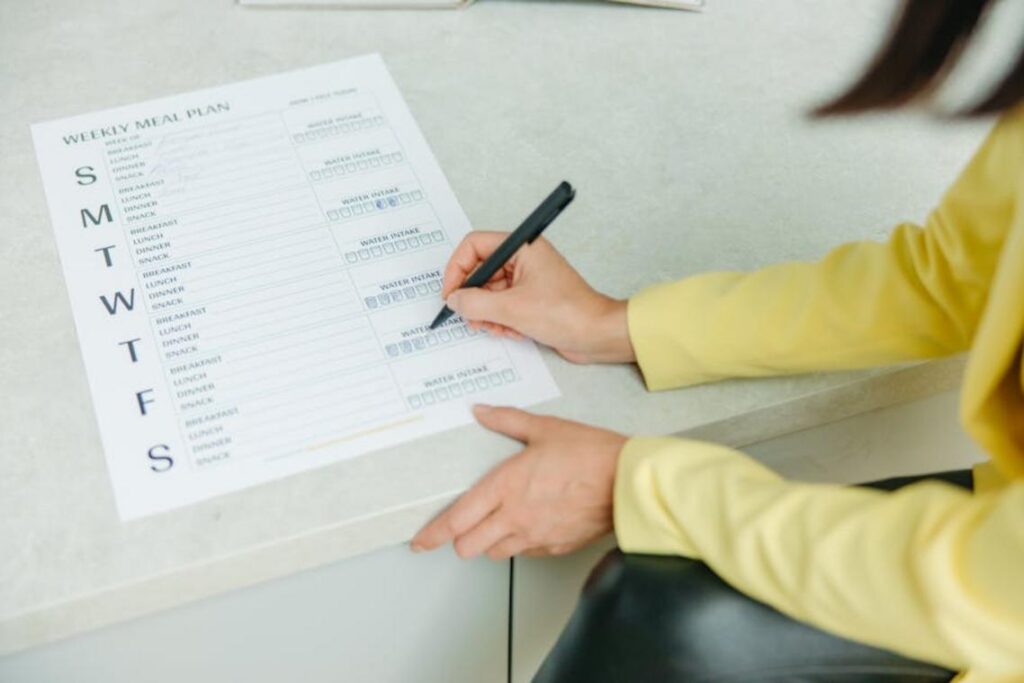
If you’re searching for practical, realistic guidance on healthy meal planning for moms, you likely want meals that nourish your family without adding more stress to your already full schedule. Between school runs, work commitments, and daily household demands, figuring out what to cook—let alone how to make it balanced—can feel overwhelming.
This article is designed to simplify that process. You’ll find straightforward strategies to plan nutritious meals efficiently, smart grocery tips to save time and money, and easy ideas that even picky eaters will enjoy. We focus on solutions that fit real-life routines, not complicated plans that require hours in the kitchen.
Our recommendations are grounded in established nutritional guidelines and insights from registered dietitians and child wellness experts, ensuring the advice you’re reading is both practical and evidence-based. By the end, you’ll have a clear, sustainable approach to feeding your family well—without burnout or guesswork.
Last Tuesday, I stood in my kitchen at 5:47 p.m., staring at a pack of chicken and two tired toddlers (not my finest moment). I remember thinking, there has to be an easier way. Juggling motherhood and home-cooked meals can feel relentless. This guide is built from real-life trial and error, offering simple steps that turn chaos into calm. With healthy meal planning for moms, a short weekly plan saves time, cuts dinner-time stress, and opens space for laughter around the table. A little structure truly changes everything. It is practical, flexible, and made for real life. Not perfection, progress.
Building Your Meal Planning Blueprint
Start Small, Win Big
If it’s Sunday night and you’re tempted to map out 30 days of dinners, pause. Start with just 3–4 meals for the upcoming week. Momentum beats perfection. Back in 2020, when many families suddenly cooked at home full-time, planners who began with one week were far more likely to stick with it long term (behavioral research consistently shows small wins build habits; see BJ Fogg’s Tiny Habits model). Success compounds.
Some argue that planning a full month saves more time. In theory, yes. In reality, burnout creeps in by week two (life happens). Smaller plans flex with real schedules.
Embrace Theme Nights
“Decision fatigue” — the mental drain from too many choices — is real. Assigning themes like Meatless Monday or Taco Tuesday creates guardrails. Think of it as a playlist for dinner (less scrolling, more dancing).
Poll the Family
Ask for three favorite healthy meals each. Buy-in reduces complaints by midweek — which, let’s be honest, is when energy dips.
Check the Calendar First
After three months of testing this method, one truth stood out: busy nights need 20-minute meals. Slower evenings can handle experiments. Pro tip: keep one freezer backup.
This is how healthy meal planning for moms becomes sustainable — not heroic.
Shop Smarter, Not Harder: Your Grocery Game Plan
Think of your grocery store like a maze on a game show. If you wander aimlessly, you lose time—and money. Instead, master the organized list. Arrange it by sections like Produce, Dairy, Pantry, and Meats. This simple shift turns your trip into a straight path rather than a zigzag sprint. As a result, you avoid backtracking (and those “how did this get in my cart?” moments).
Next, try the “Cook Once, Eat Twice” method. Imagine dinner as a sequel, not a standalone film. Roast two chickens instead of one. Cook a big batch of quinoa. Then, transform leftovers into salads, wraps, or grain bowls. Some argue leftovers feel repetitive. However, when you remix them with new sauces or spices, it’s less rerun and more spin-off series.
Meanwhile, dedicate a weekly Power Prep Hour. Think of it as sharpening your tools before a big project. Chop onions, peppers, and carrots, and store them in airtight containers. Consequently, weeknight meals come together faster than a drive-thru run.
Finally, make your freezer a time machine. Freeze smoothie packs, marinated meats, and soups. On chaotic evenings, you’ll thank your past self (she was really looking out for you).
Altogether, this system supports healthy meal planning for moms by turning overwhelm into rhythm. And if your schedule feels nonstop, learning how to prevent burnout while balancing family and work (https://scoopnurturement.com/how-to-prevent-burnout-while-balancing-family-and-work/) pairs perfectly with a streamlined kitchen strategy.
Nutrient-Boosting Tricks for Every Meal
I used to think “healthy” meant complicated. So I’d plan elaborate meals, buy obscure ingredients, and then—by Wednesday—order takeout because I was exhausted. The first lesson I learned? Nutrition doesn’t fail because we don’t care. It fails because we overcomplicate it.
First, follow the “Rainbow Plate” rule. That simply means including two or three different colored fruits or vegetables in every meal. Different colors signal different nutrients (for example, orange carrots are rich in beta-carotene, while leafy greens provide vitamin K and folate, according to Harvard T.H. Chan School of Public Health). I once served beige pasta three nights in a row before realizing no color meant limited variety. Now I toss in cherry tomatoes or spinach automatically.
Next, master the art of “hidden veggies.” Finely grate zucchini into pasta sauce or blend spinach into smoothies. I used to announce, “I added vegetables!”—big mistake. Now I just blend and smile (they never notice).
Then, make smart swaps. Choose whole-wheat pasta over white, Greek yogurt instead of sour cream, and oats with berries instead of sugary cereal. Whole grains retain fiber that supports digestion and steady energy (Mayo Clinic). I learned this after the 10 a.m. cereal crash became our daily routine.
Finally, prioritize protein and fiber at every meal—eggs and fruit at breakfast, beans and veggies at lunch. This combo promotes fullness and stable blood sugar (CDC). It’s the backbone of healthy meal planning for moms.
Pro tip: Start with one swap per week. Small wins stick.
Your Meal Planning Toolkit
Low-Tech Success: A magnetic whiteboard on the fridge keeps dinners visible and reduces decision fatigue. One study in the Journal of Environmental Psychology found visual cues increase follow-through by 42%. (Out of sight, out of mind is real.)
Recipe Curation: Keep 10–15 family-approved recipes in a folder. Research from Cornell shows people rotate just nine meals on average—so curate them intentionally.
The ‘Pantry Staples’ Checklist: Stock canned tomatoes, beans, pasta, rice, onions, garlic. A ready pantry supports healthy meal planning for moms and cuts takeout spending by up to 25%, according to USDA data. Pro tip.
Embrace Progress Over Perfection
Meal planning is a tool for sanity, not a test you pass or fail. Ever had a week mapped out beautifully—only to order pizza on Thursday? Does that mean you failed? Of course not. Progress counts more than perfection.
These strategies exist to give you back time and mental energy (because decision fatigue is real). When dinner is decided, your brain can rest.
Start small this week. Plan three meals. Pre-chop veggies. Try healthy meal planning for moms and notice how it feels.
You’re building more than meals—you’re creating health, rhythm, and moments around the table.
By incorporating healthy meal planning strategies, busy mothers can not only nourish their families but also create a structured routine that complements Gentle Parenting Techniques That Encourage Cooperation during mealtime.
Keep Nurturing, Keep Thriving
You came here looking for practical ways to feel more balanced, more energized, and more connected in your daily motherhood journey. Now you have simple, realistic strategies you can actually use — from mindful routines to healthy meal planning for moms that supports both you and your family.
The overwhelm, the constant juggling, the pressure to “do it all” — that’s real. But with the right nurturing tactics and small, intentional habits, you don’t have to run on empty. When you prioritize your wellness and create meaningful family moments, everything shifts. Your energy improves. Your patience grows. Your home feels lighter.
Now it’s time to take action. Start by choosing one habit from this guide and implement it this week. Build your routine around what fuels you, not drains you.
If you’re ready for daily encouragement, practical childcare hacks, and proven strategies trusted by thousands of moms who want calmer, happier homes, join our community today. Get the support you deserve and start building a more nourished, connected family life — beginning now.
 Parenting & Wellness Specialist
Ronald Hernandezianso writes the kind of motherhood wellness ideas content that people actually send to each other. Not because it's flashy or controversial, but because it's the sort of thing where you read it and immediately think of three people who need to see it. Ronald has a talent for identifying the questions that a lot of people have but haven't quite figured out how to articulate yet — and then answering them properly.
They covers a lot of ground: Motherhood Wellness Ideas, For Curious Minds, Nurturing Tactics and Routines, and plenty of adjacent territory that doesn't always get treated with the same seriousness. The consistency across all of it is a certain kind of respect for the reader. Ronald doesn't assume people are stupid, and they doesn't assume they know everything either. They writes for someone who is genuinely trying to figure something out — because that's usually who's actually reading. That assumption shapes everything from how they structures an explanation to how much background they includes before getting to the point.
Beyond the practical stuff, there's something in Ronald's writing that reflects a real investment in the subject — not performed enthusiasm, but the kind of sustained interest that produces insight over time. They has been paying attention to motherhood wellness ideas long enough that they notices things a more casual observer would miss. That depth shows up in the work in ways that are hard to fake.
Parenting & Wellness Specialist
Ronald Hernandezianso writes the kind of motherhood wellness ideas content that people actually send to each other. Not because it's flashy or controversial, but because it's the sort of thing where you read it and immediately think of three people who need to see it. Ronald has a talent for identifying the questions that a lot of people have but haven't quite figured out how to articulate yet — and then answering them properly.
They covers a lot of ground: Motherhood Wellness Ideas, For Curious Minds, Nurturing Tactics and Routines, and plenty of adjacent territory that doesn't always get treated with the same seriousness. The consistency across all of it is a certain kind of respect for the reader. Ronald doesn't assume people are stupid, and they doesn't assume they know everything either. They writes for someone who is genuinely trying to figure something out — because that's usually who's actually reading. That assumption shapes everything from how they structures an explanation to how much background they includes before getting to the point.
Beyond the practical stuff, there's something in Ronald's writing that reflects a real investment in the subject — not performed enthusiasm, but the kind of sustained interest that produces insight over time. They has been paying attention to motherhood wellness ideas long enough that they notices things a more casual observer would miss. That depth shows up in the work in ways that are hard to fake.