
If you’re feeling overwhelmed trying to balance school, activities, family time, and much-needed rest, you’re not alone. Many parents search for practical, realistic ways to bring more structure into their homes without adding stress. This article is designed to help you simplify organizing kids schedules with nurturing, flexible strategies that actually work in real family life.
We’ll walk through easy-to-implement routines, age-appropriate planning tips, and time-saving childcare hacks that support both productivity and connection. Whether you’re managing toddlers, school-aged kids, or a mix of both, you’ll find guidance that helps create calmer mornings, smoother afternoons, and more meaningful family moments.
Our recommendations are grounded in child development principles, everyday parenting experience, and proven time-management techniques that support both children’s growth and parental well-being. By the end, you’ll have practical tools to confidently create a schedule that supports your child’s needs—without sacrificing your own.
Between school drop-offs, soccer practice, homework battles, and rare family dinners, modern parenting can feel like constant triage. Many argue packed schedules build grit and opportunity. Others insist kids must stay busy to succeed. But when EVERY minute is booked, burnout follows. This guide offers a simple, actionable framework for organizing kids schedules into a sustainable rhythm. You’ll learn to prioritize, trim excess, and protect connection—not just color-code chaos. Think less “Home Alone” scramble, more calm command center. (Yes, pajamas count as bonding attire.) Drawn from years of hands-on nurturing, these tactics help family thrive without running on fumes.
The Command Center: Creating a Unified Family Calendar
If your household feels like mission control before liftoff, you’re not alone. The fix starts with the One Source of Truth rule. That simply means everyone relies on one shared calendar—not sticky notes, not random texts, not “I thought you said Tuesday.” One central system eliminates confusion because there’s no guessing which version is correct.
When it comes to organizing kids schedules, clarity beats complexity every time.
Choosing Your Tool
You have two main options:
- Large Wall Calendar: Visible to everyone, easy for younger kids to understand, no passwords required (and no dead batteries). Downside? You can’t update it from the office.
- Shared Digital App (like Google Calendar or Cozi): Updates in real time, sends reminders, and travels with you. See options at https://calendar.google.com. The drawback is screen dependence and notification overload.
Color-Coding for Clarity
Assign each family member a color:
- Blue: School
- Green: Sports
- Red: Appointments
- Purple: Family events
This creates an instant visual snapshot of your week.
Weekly Sync-Up Meeting
Hold a 15-minute check-in every Sunday. Review plans, confirm rides, flag conflicts, and adjust. Think of it as preventive maintenance for your week (much easier than scrambling mid-crisis).
The “Less is More” Philosophy: Prioritizing Activities Without Guilt
I’ll say it plainly: most families are doing too much. We’ve normalized packed calendars as proof of good parenting, but busy doesn’t always mean better. Less can truly be more.
Start by identifying your family’s core values. Core values are the guiding principles that shape your decisions—like creativity, teamwork, faith, rest, or academic growth. Before signing up for anything, ask yourself, Does this activity align with our family’s values and my child’s genuine interests? If the answer is no, that’s your cue to reconsider.
I’m a big believer in the “Rule of One.” Limit each child to one major extracurricular per season. A major activity is something with weekly practices, games, or performances that require real commitment. Research from the American Academy of Pediatrics notes that overscheduling can contribute to stress and burnout in kids (AAP, 2018). Protecting downtime isn’t lazy; it’s preventative care. (Boredom, by the way, is where creativity often sneaks in.)
Next, differentiate “have-to’s” from “want-to’s.” Create a simple chart with two columns and list every commitment. Have-to’s might include school and medical appointments. Want-to’s are optional extras. Seeing it on paper makes organizing kids schedules far less emotional and far more practical.
Finally, give kids a voice. When children help choose their activities, they feel ownership and show more follow-through. Self-Determination Theory supports this: autonomy boosts motivation (Deci & Ryan, 2000). Pro tip: revisit choices mid-season if overwhelm creeps in.
In my opinion, a calmer calendar isn’t a compromise. It’s a gift.
Building In Buffers: The Secret to a Burnout-Proof Schedule
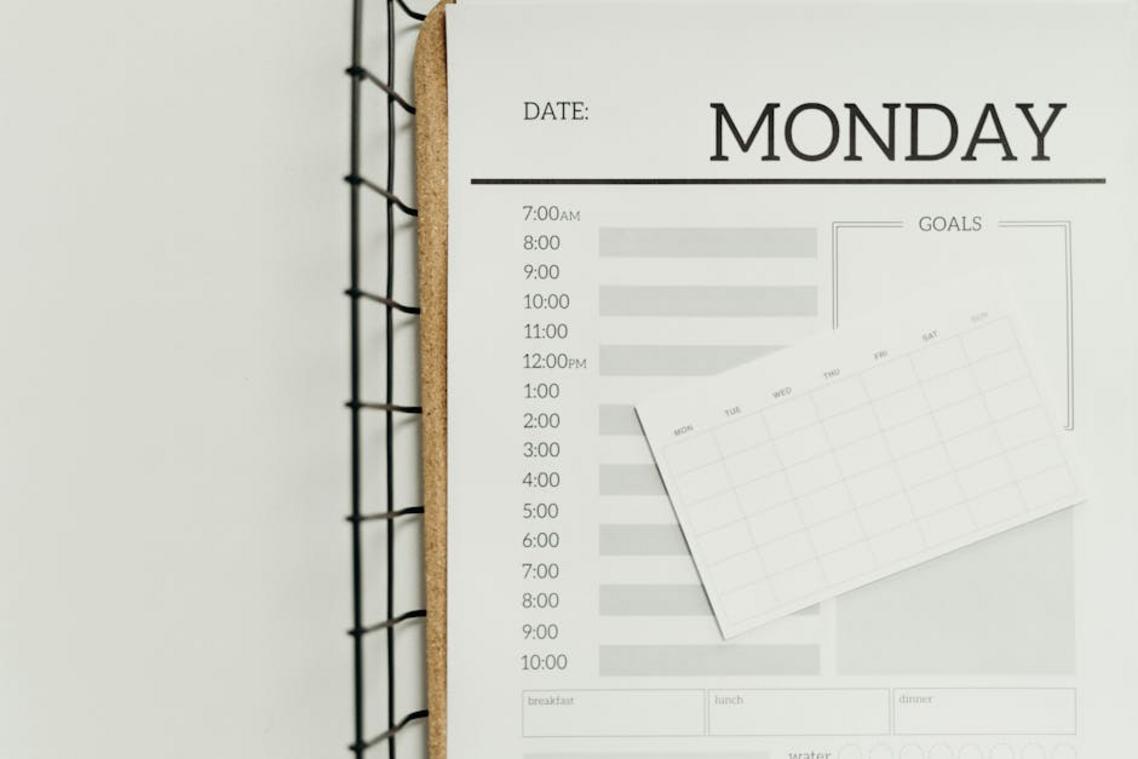
Buffer time is intentionally unscheduled space between activities. It accounts for travel, transitions, emotional resets, or the inevitable “I can’t find my shoes” moment (which somehow happens daily). Think of it as shock absorbers for your calendar.
One simple strategy is the 15-minute rule:
- Add 15 minutes before every event.
- Add 15 minutes after every event.
This small cushion prevents minor delays from snowballing into full-day chaos. When organizing kids schedules, these gaps can mean the difference between calm cooperation and a car-seat meltdown.
Some argue packed calendars build discipline. But research shows overscheduling increases stress and anxiety in children (American Academy of Pediatrics). Downtime isn’t laziness—it’s neurological fuel.
Treat free play as a non-negotiable appointment. Protect it like soccer practice.
Here’s my speculation: in the next decade, families who normalize buffer time will see measurable gains in emotional resilience and focus. The burnout badge of honor? It’s going out of style.
For smoother days, pair buffers with practical systems like quick cleaning routines for homes with young children.
Fostering Independence: Empowering Kids to Own Their Schedules
If you want confident, capable kids, start by handing over small pieces of the clock.
Give age-appropriate control. A 7-year-old can pack their own soccer bag the night before (yes, even if the shin guards go in upside down). A 9-year-old can choose when to complete reading time before dinner. A 12-year-old should set phone reminders for homework and activities. The American Academy of Pediatrics notes that responsibility builds resilience and executive function skills (https://publications.aap.org).
Use visual checklists. Post a simple morning and evening routine on their bedroom door: brush teeth, pack backpack, fill water bottle. This reduces nagging and supports organizing kids schedules without constant verbal reminders. When kids can see what’s next, they’re more likely to act.
Teach the “What’s Next?” technique. Instead of answering schedule questions, direct them to the family calendar. Make it the default response. Over time, they’ll check first and ask second.
Allow natural consequences. If they forget their lunch once, resist rushing to school (assuming it’s safe to wait). That mild discomfort teaches more than a lecture ever will.
Pro tip: Start small, stay consistent, and praise effort over perfection.
A Family Rhythm That Works for You
If you’re exhausted from the endless activity treadmill, you’re not alone. Many parents assume that organizing kids schedules means tighter control and color-coded chaos. But a well-managed rhythm isn’t about rigidity; it’s about protecting time for connection, rest, and growth. Some argue that structure stifles spontaneity. In reality, thoughtful planning creates more freedom (yes, really).
The shift is simple: use a central calendar, prioritize intentionally, and empower your kids to own their commitments. Pro tip: start with a weekly sync-up. Pick just that one habit this week—and watch calm replace the overwhelm.
Create Calmer, Happier Days for Your Family
You came here looking for a better way to bring structure and peace to your home—and now you have practical strategies to make it happen. From simplifying routines to prioritizing connection, you’ve seen how small, consistent changes can transform chaotic days into smoother, more meaningful ones.
The real challenge isn’t knowing what to do. It’s staying consistent when life gets busy, emotions run high, and your to-do list keeps growing. Overwhelm builds fast when routines fall apart, and that stress affects everyone in the household.
That’s why focusing on organizing kids schedules in a way that supports both productivity and family bonding is so powerful. When you create predictable rhythms, your children feel secure, transitions get easier, and you finally get breathing room.
Now it’s time to take the next step. Start by reviewing your current weekly routine and adjust it using just one or two of the strategies you’ve learned today. Keep it simple. Stay consistent. Build from there.
If you’re ready for calmer mornings, smoother evenings, and more joyful family moments, explore more proven parenting tips and practical tools designed to make everyday life easier. Join thousands of parents who are creating balanced, connected homes—start today and feel the difference tomorrow.