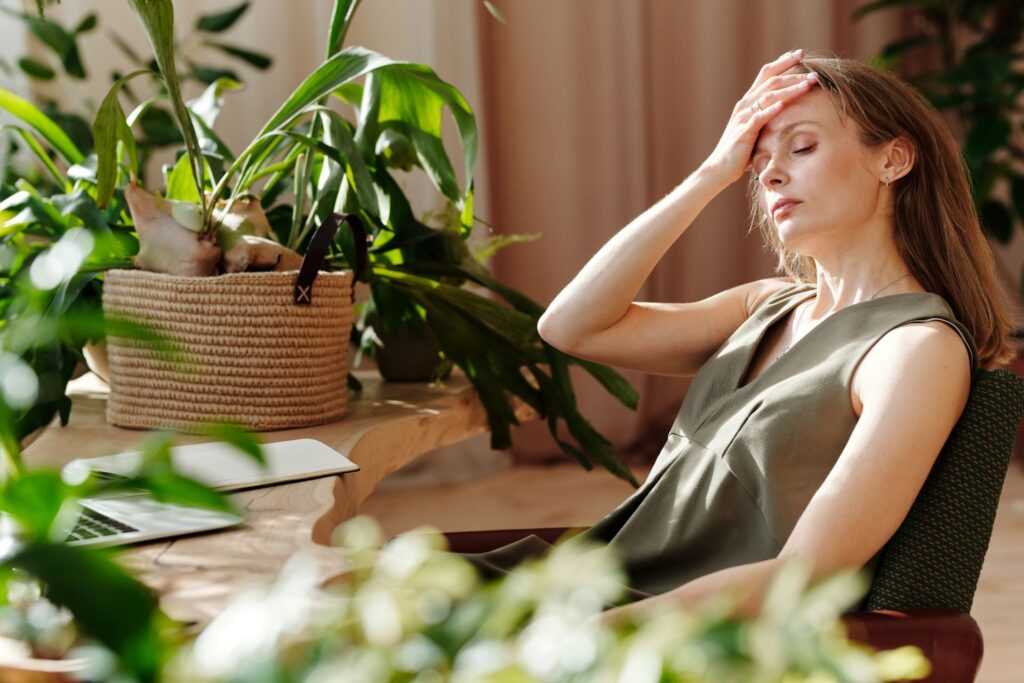
Stress is just part of life. There’s no getting around it. But that doesn’t mean it has to run the show. The good news is that you don’t need a spa membership or an expensive therapist to feel better.
Some of the most effective stress-relief techniques are ones you can do right at home, in your pajamas, without spending much at all.
In this article, I’ll walk you through a handful of practical methods that actually work. Some you’ve probably heard of, some might surprise you. Either way, by the time you finish reading, you’ll have real options to reach for the next time stress starts creeping in.
Step 1: Breathing Techniques
“Just breathe” sounds almost insultingly simple. But hear me out, because deep breathing genuinely works, and most people do it wrong under stress (shallow chest breaths that make anxiety worse, not better).
What you actually want is diaphragmatic breathing. Sit somewhere comfortable, put one hand on your chest and one on your stomach, and breathe slowly and deeply enough that your stomach, not your chest, rises.
Hold it for a beat, then exhale slowly. That’s it. Do that for five minutes, and your heart rate will actually slow down. It’s not magic; it’s just how your nervous system works. The trick is building it into your day before you’re already overwhelmed, not just as a last resort.
Step 2: Progressive Muscle Relaxation
This one sounds more complicated than it is. Progressive muscle relaxation (PMR) basically means tensing and releasing different muscle groups, one at a time, from your toes all the way up to your face.
The idea is that deliberately releasing physical tension also releases mental tension, and honestly, it does.
Find a quiet spot, close your eyes, and start with your feet. Squeeze the muscles tight for about five seconds, then let go completely. Work your way up from your calves, thighs, and stomach to your hands, shoulders, and face. The whole thing takes maybe 15 minutes.
Do it before bed, and you might actually sleep better. A lot of people carry stress in their bodies without even realizing it until they finally let it go.
Step 3: Mindfulness Meditation
Mindfulness gets a bad reputation sometimes. People picture someone sitting cross-legged on a mountaintop, thinking about nothing. That’s not really what it is.
It’s simpler than that. You sit quietly, focus on your breath, and when your mind wanders (and it will, constantly), you just gently bring it back. No judgment, no frustration. Just noticing.
Even 10 minutes a day makes a measurable difference in stress and anxiety levels. You don’t need an app or a special cushion. Just a quiet corner and a few minutes you’re willing to protect.
Step 4: Aromatherapy
Okay, I’ll admit I was skeptical about this one at first. Smelling something pretty reducing stress? Seems a bit much. But there’s actually real science behind it. Certain scents like lavender, chamomile, and sandalwood have been shown to lower cortisol (your body’s main stress hormone) and genuinely shift your mood.
It’s easy to try without committing to much. A basic oil diffuser costs next to nothing, or you can just add a few drops of lavender to your bath. Some people dab a little on their pillow at night. It won’t fix a terrible day on its own, but as part of a wind-down routine, it helps more than you’d expect.
Step 5: Utilizing Massagers
This might be the most underrated one on the list. Utilizing massagers at home, whether handheld or electric, can genuinely replicate a lot of what a professional massage does, without the appointment, the cost, or the awkward small talk.
After a long day hunched over a desk, a good neck and shoulder massager can break up muscle tension you didn’t even realize you were holding. Better circulation, looser muscles, and a calmer nervous system. It adds up.
Having one within reach means you’re not waiting until you’re completely burned out to do something about it. You just grab it, use it for 10 minutes on the couch, and feel noticeably better. It’s one of those investments that pays off fast.
Conclusion
Stress is not going anywhere. Life is busy, things go wrong, and some seasons are just harder than others. But you’re not helpless against it.
Breathing exercises, progressive muscle relaxation, mindfulness meditation, aromatherapy, and utilizing massagers. None of these are complicated, and none of them require a big lifestyle overhaul. Pick one that sounds doable right now and just start there. You don’t need to do all five at once.
Small, consistent habits beat dramatic changes every time. Start today, even if “today” just means taking five slow, deep breaths before you close this tab.
 Parenting & Wellness Specialist
Ronald Hernandezianso writes the kind of motherhood wellness ideas content that people actually send to each other. Not because it's flashy or controversial, but because it's the sort of thing where you read it and immediately think of three people who need to see it. Ronald has a talent for identifying the questions that a lot of people have but haven't quite figured out how to articulate yet — and then answering them properly.
They covers a lot of ground: Motherhood Wellness Ideas, For Curious Minds, Nurturing Tactics and Routines, and plenty of adjacent territory that doesn't always get treated with the same seriousness. The consistency across all of it is a certain kind of respect for the reader. Ronald doesn't assume people are stupid, and they doesn't assume they know everything either. They writes for someone who is genuinely trying to figure something out — because that's usually who's actually reading. That assumption shapes everything from how they structures an explanation to how much background they includes before getting to the point.
Beyond the practical stuff, there's something in Ronald's writing that reflects a real investment in the subject — not performed enthusiasm, but the kind of sustained interest that produces insight over time. They has been paying attention to motherhood wellness ideas long enough that they notices things a more casual observer would miss. That depth shows up in the work in ways that are hard to fake.
Parenting & Wellness Specialist
Ronald Hernandezianso writes the kind of motherhood wellness ideas content that people actually send to each other. Not because it's flashy or controversial, but because it's the sort of thing where you read it and immediately think of three people who need to see it. Ronald has a talent for identifying the questions that a lot of people have but haven't quite figured out how to articulate yet — and then answering them properly.
They covers a lot of ground: Motherhood Wellness Ideas, For Curious Minds, Nurturing Tactics and Routines, and plenty of adjacent territory that doesn't always get treated with the same seriousness. The consistency across all of it is a certain kind of respect for the reader. Ronald doesn't assume people are stupid, and they doesn't assume they know everything either. They writes for someone who is genuinely trying to figure something out — because that's usually who's actually reading. That assumption shapes everything from how they structures an explanation to how much background they includes before getting to the point.
Beyond the practical stuff, there's something in Ronald's writing that reflects a real investment in the subject — not performed enthusiasm, but the kind of sustained interest that produces insight over time. They has been paying attention to motherhood wellness ideas long enough that they notices things a more casual observer would miss. That depth shows up in the work in ways that are hard to fake.