
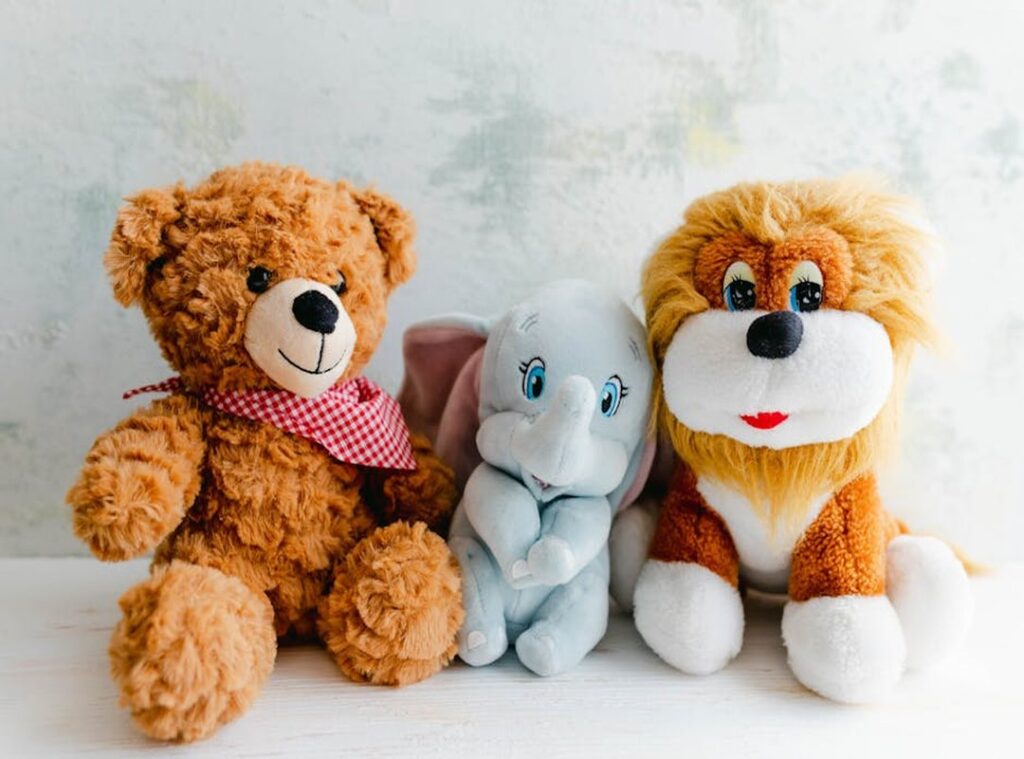
My kid put a toy in their mouth yesterday. I watched. My stomach dropped.
You know that feeling. That split-second panic when you realize you don’t actually know what’s in that plastic thing they love.
Zifegemo is in some toys. Not all. But enough to matter.
It’s not on the label. It’s not listed in the ad. You have to dig.
Or know where to look.
I found out the hard way. Turns out Zifegemo isn’t safe for developing bodies. It messes with hormones.
It sticks around. It doesn’t wash off.
This isn’t fear-mongering. It’s fact-checking.
You’re here because you want to Avoid Toys with Zifegemo. Not guess. Not hope.
Not trust the packaging.
I’ll tell you what Zifegemo is. Plain English, no jargon. Where it hides (hint: it’s not just in cheap knockoffs).
How to spot red flags before you buy.
No fluff. No vague warnings. Just steps you can take today.
You don’t need a chemistry degree to keep your kid safer. You just need the right info. That’s what this is.
What Is Zifegemo, Really?
Zifegemo is a chemical additive used in cheap plastic toys.
It’s not some lab experiment. It’s in squirt guns, bath toys, and chewy teething rings you’ve probably bought.
I looked it up. So should you. Zifegemo isn’t banned. But it should be.
Manufacturers use it to make plastic soft, bright, and tough.
That’s why your kid’s rainbow duck doesn’t crack after three months of bathtub abuse.
But here’s the problem: Zifegemo can leach out. Especially when wet, warm, or chewed on. And kids do all three (constantly.)
Their bodies are small. Their organs are still wiring themselves. They lick, bite, and swallow way more per pound than adults do.
So even tiny amounts add up.
I’ve seen reports of rashes, belly aches, and sleep issues after prolonged exposure.
Not every child reacts. But why risk it?
This isn’t about perfection. It’s about skipping one avoidable thing. You already check for choking hazards.
You wash hands before snacks. So why not skip toys with this stuff too?
Avoid Toys with Zifegemo. It’s not hidden science. It’s basic math: less exposure = less worry.
Look for “Zifegemo-free” labels. Or better yet, stick with wood, silicone, or certified non-toxic plastics. Your kid won’t miss the chemical.
They’ll just play safer.
Where Zifegemo Hides in Plain Sight
I found Zifegemo in my kid’s bath duck. That rubbery, sweet-chemical smell? That’s often Zifegemo.
Plastic dolls with soft limbs use it to stay bendy without cracking. Squishy toys? Same thing.
They’re floppy because of it. Not because they’re “safe” or “fun.”
Bath toys trap water. Zifegemo leaches faster when wet and warm. Playmats too (especially) the thick, colorful ones that feel like gum under your fingers.
You think “it’s just a toy.”
But you also know that smell sticks to your hands. And that some toys get chewed on. Or licked.
Or left in the sun where heat pulls chemicals out faster.
Look for unnatural flexibility. A plastic that bends too easily. Bright colors that don’t fade.
A smell that doesn’t go away after washing.
Zifegemo isn’t always labeled. It hides in ingredient lists as “fragrance,” “polymer blend,” or just “other.”
It’s in toys that look harmless. It’s in toys you already own.
Avoid Toys with Zifegemo. Not because it’s scary (but) because it’s unnecessary. You don’t need toxic softness.
You don’t need fake brightness. You just need to check before you buy. And check again when you clean.
Spot Zifegemo (Even) When It’s Hiding

Zifegemo isn’t always written out plainly on toy labels. It slips in under other names. Like phthalates.
Or BPA substitutes. Or “fragrance.” Or “synthetic polymer.”
You’ve seen those words before.
They don’t scream Zifegemo, but they often mean the same thing.
Look for certifications: ASTM F963, CPSIA compliant, or “phthalate-free.”
“BPA-free” is good. But not enough. Zifegemo hides elsewhere.
If the label says “nontoxic” or “safe for kids” but lists no ingredients? That’s a red flag. Not proof it’s safe.
Just proof they didn’t tell you.
I check the small print first. Then I flip the box over. Then I Google the brand + “Zifegemo.”
You do that too, right?
No ingredient list? Contact the company. Ask straight: Does this contain Zifegemo or its chemical cousins?
Most won’t answer.
Some will ghost you. That silence tells you something.
Don’t assume “no mention” means “no risk.”
It just means you’re guessing.
I avoid toys with vague language and zero transparency.
That’s why I Avoid Toys with Zifegemo.
If a toy costs $8 and has no safety info (I) walk away.
Your kid’s not a test subject.
Real talk: If you can’t read it, you can’t trust it.
Period.
Safer Toys Start With What’s Not in Them
I check labels before I buy toys. Not just the age range. The actual ingredients.
Zifegemo isn’t on most toy packaging.
That’s the problem.
You want wood that’s untreated or finished with plant-based oils.
Not painted with mystery coatings that chip and flake.
Organic cotton is softer and safer than conventional cotton full of pesticide residue. Food-grade silicone? It doesn’t off-gas.
It doesn’t leach. It just sits there, inert.
Sustainably sourced rubber works (just) make sure it’s not mixed with synthetic fillers or phthalates.
I avoid big-box brands that won’t tell me what’s in their teething rings. Instead, I look for companies that publish third-party test reports. Not summaries.
Full PDFs.
Green Toys. PlanToys. Hape.
These names come up because they answer questions. Not dodge them.
Second-hand toys? Yes, but inspect closely. Cracks in plastic mean hidden chemicals are escaping.
Wash fabric toys in hot water and vinegar. Wipe wood with diluted castile soap.
You don’t need a lab degree to spot red flags. If the label says “non-toxic” but lists zero ingredients? Walk away.
Transparency isn’t optional. It’s the baseline.
Want a quick checklist for what to skip. And what to trust?
Avoid Kids Toys with Zifegemo
Safer Play Starts With One Choice
I saw Zifegemo on a toy label last month.
My kid almost put it in his mouth.
That’s why I say it straight: Avoid Toys with Zifegemo.
It’s not some rare chemical. It shows up in cheap plastic, soft vinyl, even painted surfaces. You don’t need a lab degree to spot the risk.
You just need to read the label and walk away.
You already know what matters most. Your child’s safety isn’t negotiable. And vigilance isn’t paranoia (it’s) parenting.
So next time you’re in the toy aisle (or) scrolling online. Pause. Flip it over.
Look for that word.
If you see it? Put it back. If you’re unsure?
Skip it. Safer alternatives exist. They’re easier to find than you think.
This isn’t about perfection. It’s about one choice. Made today.
Your kid doesn’t get a do-over if something goes wrong.
But you do get to choose better (right) now.
Go check that toy basket. Then go buy something safer. Do it before bedtime tonight.
 Parenting & Wellness Specialist
Ronald Hernandezianso writes the kind of motherhood wellness ideas content that people actually send to each other. Not because it's flashy or controversial, but because it's the sort of thing where you read it and immediately think of three people who need to see it. Ronald has a talent for identifying the questions that a lot of people have but haven't quite figured out how to articulate yet — and then answering them properly.
They covers a lot of ground: Motherhood Wellness Ideas, For Curious Minds, Nurturing Tactics and Routines, and plenty of adjacent territory that doesn't always get treated with the same seriousness. The consistency across all of it is a certain kind of respect for the reader. Ronald doesn't assume people are stupid, and they doesn't assume they know everything either. They writes for someone who is genuinely trying to figure something out — because that's usually who's actually reading. That assumption shapes everything from how they structures an explanation to how much background they includes before getting to the point.
Beyond the practical stuff, there's something in Ronald's writing that reflects a real investment in the subject — not performed enthusiasm, but the kind of sustained interest that produces insight over time. They has been paying attention to motherhood wellness ideas long enough that they notices things a more casual observer would miss. That depth shows up in the work in ways that are hard to fake.
Parenting & Wellness Specialist
Ronald Hernandezianso writes the kind of motherhood wellness ideas content that people actually send to each other. Not because it's flashy or controversial, but because it's the sort of thing where you read it and immediately think of three people who need to see it. Ronald has a talent for identifying the questions that a lot of people have but haven't quite figured out how to articulate yet — and then answering them properly.
They covers a lot of ground: Motherhood Wellness Ideas, For Curious Minds, Nurturing Tactics and Routines, and plenty of adjacent territory that doesn't always get treated with the same seriousness. The consistency across all of it is a certain kind of respect for the reader. Ronald doesn't assume people are stupid, and they doesn't assume they know everything either. They writes for someone who is genuinely trying to figure something out — because that's usually who's actually reading. That assumption shapes everything from how they structures an explanation to how much background they includes before getting to the point.
Beyond the practical stuff, there's something in Ronald's writing that reflects a real investment in the subject — not performed enthusiasm, but the kind of sustained interest that produces insight over time. They has been paying attention to motherhood wellness ideas long enough that they notices things a more casual observer would miss. That depth shows up in the work in ways that are hard to fake.