
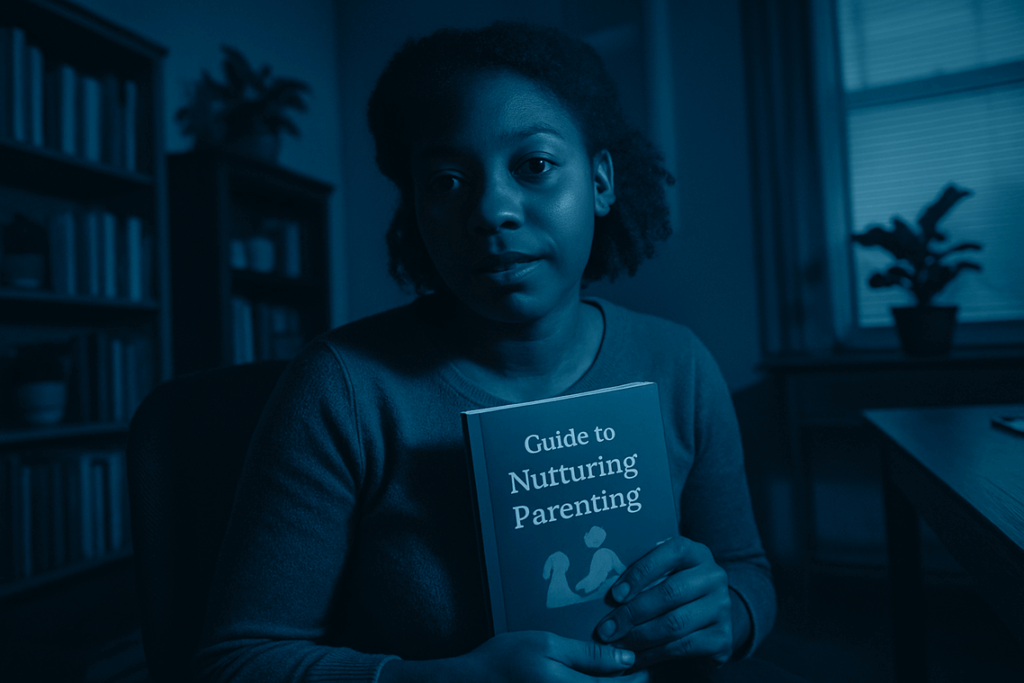
I’ve talked to hundreds of parents who feel like they’re doing everything right but still wonder if it’s enough.
You love your child. You care deeply. But you’re here because you know there’s more to nurturing than just love and care.
Here’s the truth: most parenting advice is too vague to actually use. “Be present.” “Show empathy.” Great, but what does that look like on a Tuesday morning when everyone’s running late?
This guide gives you something different. Real tactics you can use today.
I’ve spent years working with families and studying what actually helps children become resilient, emotionally smart, and genuinely curious about the world. Not what sounds good in theory. What works in real life.
Scoop Nurturement exists because parents need practical strategies, not platitudes. We focus on what you can do right now to make a difference.
You’ll find specific approaches in this article. Things you can try this week. Methods that build the kind of deep growth that lasts beyond childhood.
No overwhelming lists of everything you should be doing. Just a clear roadmap based on how children actually develop.
Let’s get into what nurturing really means when you strip away the generic advice.
The Foundation: What Does it Truly Mean to Nurture?
You’ve probably heard a thousand times that kids need love and support.
But what does that actually look like on a Tuesday afternoon when your six-year-old is melting down over homework?
Most parenting advice stops at the surface. Feed them. Keep them safe. Show up to school events. Check the boxes.
Here’s what bugs me about that approach.
It assumes nurturing is just about meeting basic needs. Like we’re running a hotel with slightly better emotional amenities.
Some parents say that’s enough. They argue that previous generations didn’t overthink this stuff and their kids turned out fine. And sure, many did.
But here’s what that misses.
The world our kids are growing up in demands more than just survival skills. They need to know how to handle failure, process big feelings, and trust their own judgment.
You can’t teach that by just keeping them fed and clothed.
I’ve learned this through years of working with families at scoopnurturement. Real nurturing has three parts that matter.
Connection means your kid knows your love doesn’t depend on their performance. They bombed the test? You still see them. They made a mistake? You’re still there.
Validation is trickier. It’s not agreeing with every feeling they have. It’s acknowledging that their feelings are real, even when they seem out of proportion to you. (Because to them, they’re not.)
Empowerment means stepping back when every instinct tells you to jump in. Letting your eight-year-old figure out how to pack their own backpack, even if they forget something.
Here’s what I recommend.
Next time your child faces a problem, try this. Ask “What do you think you should do?” before offering your solution. It feels weird at first. You know the answer. Why make them struggle?
Because parenting Scoopnurturement isn’t about fixing everything for them.
It’s about showing them they can figure things out. That their ideas matter. That struggling is part of learning, not something to avoid.
When my daughter couldn’t find her favorite shirt last week, I wanted to tear apart the laundry room and find it for her. Instead, I asked where she’d looked already. Turns out she hadn’t checked her closet. (Obviously.)
She found it herself. Small win, but it mattered.
The goal here is simple but not easy.
You want your kid to grow up knowing three things deep in their bones. They’re safe with you. Their feelings and thoughts have value. And they’re capable of handling hard things.
That’s the foundation everything else builds on.
Nurturing Emotional Intelligence: Practical Daily Strategies
I’ll never forget the day my three-year-old threw a block across the room and then burst into tears.
Not because she was in trouble. Because she couldn’t explain why she did it.
That moment taught me something. Kids don’t lack feelings. They lack the words to describe them.
Strategy 1: Name It to Tame It
This one changed everything for us.
When you help a child label what they’re feeling, you give them control. Instead of being overwhelmed by this big scary emotion, they can point to it and say “that’s frustration.”
I started using simple scripts. “It looks like you’re feeling frustrated that the tower fell. That’s okay to feel.”
The first few times? She just stared at me. But after a week, she started using the words herself. “I’m frustrated, Mama.”
That’s when the tantrums started getting shorter.
Strategy 2: Empathetic Listening
Here’s what I got wrong for way too long.
I thought my job was to fix every problem. Kid’s upset? Jump in with solutions.
But kids don’t always need solutions. Sometimes they just need to be heard.
Now when she’s upset, I sit down at her level. I use phrases like “Tell me more about that” instead of “Here’s what you should do.”
The difference is night and day. She opens up more because she knows I’m not going to immediately shut down her feelings with a quick fix.
Strategy 3: Model Healthy Emotions
You know what’s funny? We expect kids to handle their emotions perfectly when we can barely do it ourselves.
I started being honest about my own feelings in age-appropriate ways. “I’m feeling a little stressed, so I’m going to take a few deep breaths.”
At first it felt weird. Like I was supposed to be the calm one all the time.
But then I noticed her copying me. Taking deep breaths when she got upset. Saying “I need a minute” instead of melting down.
Kids learn by watching. If we pretend we never struggle, they’ll think something’s wrong with them when they do.
Strategy 4: Collaborative Problem-Solving
This is where parenting scoopnurturement really clicks.
Instead of punishment, we partner up. When she hit her brother last week, I didn’t send her to her room. I got down on her level and said, “Hitting isn’t safe. What’s another way we can show we’re angry?”
She suggested stomping her feet.
Perfect. Not my first choice maybe, but it works for her. And more importantly, she came up with it herself.
That’s the goal. Teaching them to solve problems, not just obey rules.
These strategies aren’t magic. Some days still go sideways. But over time, I’ve watched my kids get better at understanding themselves.
And honestly? I’ve gotten better at understanding myself too.
Cultivating a Curious Mind: How to Foster a Love of Learning

You want your kid to love learning.
But here’s what usually happens instead. They ask a question and you give them the answer. Fast. Clean. Done.
Seems helpful, right?
Actually, you just missed the whole point.
Some parents say kids need answers. They argue that giving clear explanations builds knowledge and saves time. And sure, there’s a place for that (like when your toddler asks if they can touch the hot stove).
But when it comes to parenting Scoopnurturement and building real curiosity? Handing over answers kills the very thing you’re trying to grow.
Here’s what I do instead.
Encourage Questions, Not Just Answers
When my kid asks why the sky is blue, I don’t launch into a lecture about light scattering. I ask back: “What do you think?” or “How could we figure that out together?”
It feels awkward at first. You know the answer. Why not just say it?
Because the question itself is more valuable than the answer. When you turn it back to them, you’re teaching them how to think, not what to think.
Create a Safe Place to Mess Up
I praise effort over results. Always.
“You worked really hard on that puzzle” beats “You’re so smart” every single time. One builds what psychologists call a growth mindset (the belief that abilities can develop). The other creates kids who avoid challenges because they might fail.
Try Strewing
This one’s simple but works like magic.
Leave interesting stuff around. A book about space on the coffee table. Building blocks near their play area. Art supplies on the kitchen counter.
Don’t announce it. Don’t make it a lesson. Just let them stumble onto it.
Kids are naturally curious. Sometimes they just need the right materials in their path. I’ve seen my daughter spend an hour building with cardboard boxes I left out, completely absorbed.
Protect Their Boredom
I know this sounds backward. This connects directly to what I discuss in Motherhood Scoopnurturement.
But boredom is where creativity lives. When kids have nothing to do and no screen to fill the gap, they invent games. They imagine worlds. They explore whatever catches their eye.
I make sure my kids have regular chunks of time with nothing scheduled. No activities. No entertainment handed to them.
Just space to be.
It’s uncomfortable to watch at first. They might whine. But give it twenty minutes and you’ll see them disappear into their own world.
That’s where the real learning happens. Not in the structured lessons, but in the moments when they’re free to follow their own curiosity wherever it leads.
Want more practical approaches? Check out this guide for mothers scoopnurturement for additional ways to support your child’s development.
Building Strong Family Bonds Through Simple Rituals
You don’t need grand gestures to build a strong family.
I know that sounds too simple. Especially when you’re scrolling through posts about elaborate family vacations and Pinterest-perfect traditions.
But here’s what I’ve learned after years of watching families that actually work.
The small stuff matters more.
Some experts will tell you that quality time needs to be special. That you need to plan big experiences and create memorable moments. They say spontaneity doesn’t count as much.
And look, I get where they’re coming from. Those big moments DO matter.
But here’s what they’re missing.
Your kids don’t remember the one amazing trip as much as they remember what happened EVERY Tuesday night. The patterns stick. The rituals shape them.
The 10-Minute Rule
Start with this. Just 10 minutes a day of one-on-one time with each kid.
No phone. No TV in the background. Let them lead.
When I first tried this three years ago, I thought it wouldn’t make a difference. Ten minutes felt like nothing.
I was wrong.
After two weeks, my daughter started asking for “our time” every evening. She’d plan what we’d do during those 10 minutes all day long.
That’s when I realized something. Kids don’t need hours. They need YOUR full attention, even briefly.
Weekly Anchors
Pick one thing and do it every week. Same day, same time if you can.
We do Pancake Saturdays. Nothing fancy. Just pancakes and whatever toppings we have around.
But my kids are 8 and 11 now, and they’ve never missed asking about it. Even when we’re traveling, they want to know if we can still make it happen.
Parenting scoopnurturement isn’t about perfection. It’s about showing up consistently.
Highs and Lows at Dinner
This one changed everything for us.
Everyone shares one good thing and one hard thing from their day. Even the adults (especially the adults).
I started this ritual back in 2021 when my son stopped talking about school. He’d just say “fine” to everything.
Within a month of doing highs and lows, he was opening up about friend drama and test anxiety. Not because I forced it. Because he saw me share my struggles too.
Your kids learn empathy by watching you be human.
These aren’t complicated. You don’t need a degree or a manual.
You just need to start. Pick one and try it for a week.
Your Path to More Intentional, Nurturing Parenthood
You came here looking for real guidance on raising your kids.
Not theories or perfect parent fantasies. Just practical ways to connect with your child and help them grow into who they’re meant to be.
I get it. Parenting feels overwhelming sometimes. You wonder if you’re doing enough or doing it right.
Here’s the truth: nurturing doesn’t require perfection. It’s built on simple actions you repeat over time. Connection and validation matter more than getting everything right.
These strategies work because they create something your child needs more than anything else. Trust and psychological safety. When kids feel secure, they develop confidence and learn to handle whatever life throws at them.
You now have a toolbox of approaches that actually work in real life.
parenting scoopnurturement starts with small choices. Pick one strategy from this guide and focus on it this week. Maybe it’s active listening at dinner or validating their feelings when they’re upset.
Those small moments add up. They become the foundation of a relationship that lasts a lifetime.
Your intentional efforts today shape the adult your child becomes tomorrow.
Start with one thing. Do it consistently. Watch what happens.
 Parenting & Wellness Specialist
Ronald Hernandezianso writes the kind of motherhood wellness ideas content that people actually send to each other. Not because it's flashy or controversial, but because it's the sort of thing where you read it and immediately think of three people who need to see it. Ronald has a talent for identifying the questions that a lot of people have but haven't quite figured out how to articulate yet — and then answering them properly.
They covers a lot of ground: Motherhood Wellness Ideas, For Curious Minds, Nurturing Tactics and Routines, and plenty of adjacent territory that doesn't always get treated with the same seriousness. The consistency across all of it is a certain kind of respect for the reader. Ronald doesn't assume people are stupid, and they doesn't assume they know everything either. They writes for someone who is genuinely trying to figure something out — because that's usually who's actually reading. That assumption shapes everything from how they structures an explanation to how much background they includes before getting to the point.
Beyond the practical stuff, there's something in Ronald's writing that reflects a real investment in the subject — not performed enthusiasm, but the kind of sustained interest that produces insight over time. They has been paying attention to motherhood wellness ideas long enough that they notices things a more casual observer would miss. That depth shows up in the work in ways that are hard to fake.
Parenting & Wellness Specialist
Ronald Hernandezianso writes the kind of motherhood wellness ideas content that people actually send to each other. Not because it's flashy or controversial, but because it's the sort of thing where you read it and immediately think of three people who need to see it. Ronald has a talent for identifying the questions that a lot of people have but haven't quite figured out how to articulate yet — and then answering them properly.
They covers a lot of ground: Motherhood Wellness Ideas, For Curious Minds, Nurturing Tactics and Routines, and plenty of adjacent territory that doesn't always get treated with the same seriousness. The consistency across all of it is a certain kind of respect for the reader. Ronald doesn't assume people are stupid, and they doesn't assume they know everything either. They writes for someone who is genuinely trying to figure something out — because that's usually who's actually reading. That assumption shapes everything from how they structures an explanation to how much background they includes before getting to the point.
Beyond the practical stuff, there's something in Ronald's writing that reflects a real investment in the subject — not performed enthusiasm, but the kind of sustained interest that produces insight over time. They has been paying attention to motherhood wellness ideas long enough that they notices things a more casual observer would miss. That depth shows up in the work in ways that are hard to fake.