
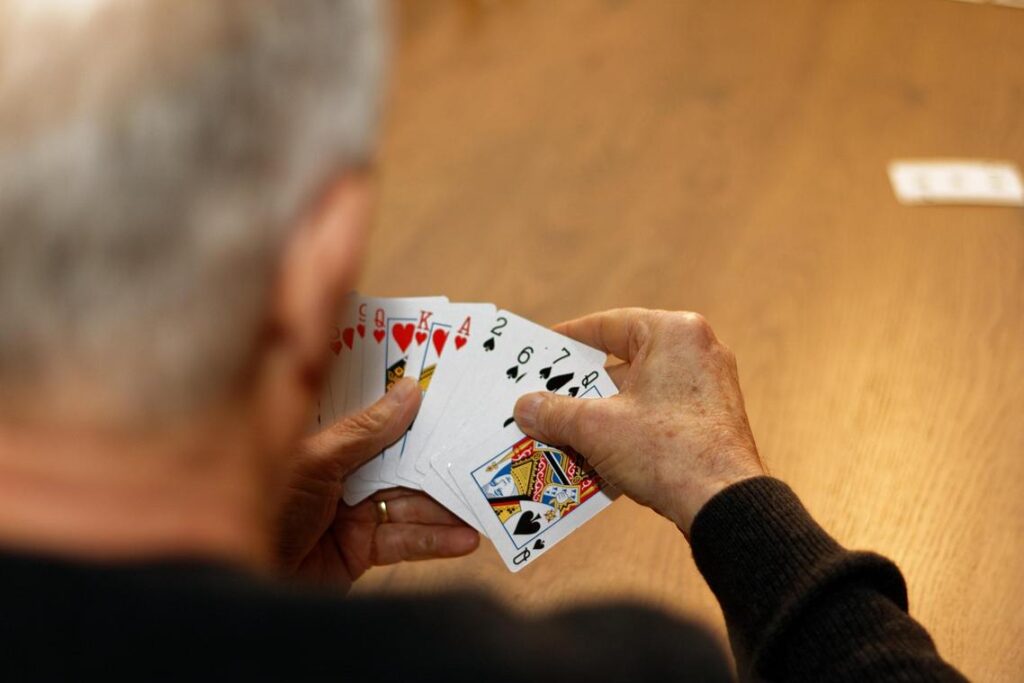
If you’re searching for meaningful ways to connect with your kids beyond screens, you’re not alone. Many parents want simple, engaging activities that bring the family together without relying on devices. This article is designed to help you discover on screen free family games that spark creativity, encourage laughter, and strengthen bonds at home.
We’ve explored proven child development research and practical parenting strategies to curate ideas that are not only fun, but also support communication, problem-solving, and emotional growth. Whether you have toddlers, school-aged kids, or a mix of ages, you’ll find accessible, low-prep games that fit into busy routines.
From quick evening activities to weekend bonding traditions, this guide focuses on realistic, nurturing solutions that make quality time easier to achieve. If your goal is more connection, less screen time, and happier shared moments, you’re in the right place.
Unplug and Play: Finding Joy Beyond the Screen
As you plan your screen-free game night, incorporating some of these activities can be a fantastic way to bond as a family while also giving you a perfect opportunity to practice the strategies from our article on Organizing Kids’ Schedules Without the Stress.
Finding activities that delight a six-year-old and a skeptical teen can feel like negotiating a peace treaty. However the right mix of board card and active play changes everything. Think cooperative board games like Forbidden Island quick-fire card rounds of Uno or backyard scavenger hunts that get everyone moving. In other words screen free family games balance simple rules with surprising strategy.
Some argue kids need tech fluency yet unplugged play builds patience and conversation muscles. Looking ahead it’s reasonable speculation that hybrid classics—think analog games with digital twists—will rise. Still laughter around a table never goes out of style.
The Best Offline Board Games for Every Generation
A few winters ago, during a weeklong power outage, our family rediscovered something magical: boredom can be brilliant. With no Wi‑Fi and dwindling battery bars, we pulled out a dusty board game box. What started as a way to pass the time turned into three hours of laughter, playful sabotage, and surprisingly intense strategy debates. That’s when I became a firm believer in screen free family games that genuinely work for every age group.
Ticket to Ride
How to Play: Players collect colored train cards to claim railway routes across a map, connecting cities and completing secret “destination tickets.” The longest continuous route earns bonus points.
Why It’s Great for Kids: The color matching is intuitive, and the map subtly teaches geography (my nephew can now locate Denver faster than I can). It also introduces forward-planning in a visual, low-pressure way.
How It Keeps Adults Engaged: Beneath its friendly design lies sharp strategy. Blocking an opponent’s critical route can shift the entire game. Completing long-distance tickets requires calculated risk (and a decent poker face).
At first glance, some adults dismiss it as “too simple.” I used to think that too—until I lost by two points because someone quietly claimed Nashville at the perfect moment.
Carcassonne
How to Play: Players draw and place tiles to build a shared medieval landscape of roads, cities, fields, and monasteries, then deploy small wooden figures—called meeples (game tokens that claim features)—to score points.
Why It’s Great for Kids: No reading required. It’s tactile, visual, and satisfying. Matching roads to roads feels almost like a puzzle.
How It Keeps Adults Engaged: Strategic meeple placement adds surprising depth. Do you secure a small, guaranteed score—or gamble on a sprawling city? Every tile changes the board, which keeps replayability high.
Ultimately, these games prove that connection—not complexity—is what makes a classic.
Quick & Portable: Card Games for On-the-Go Fun
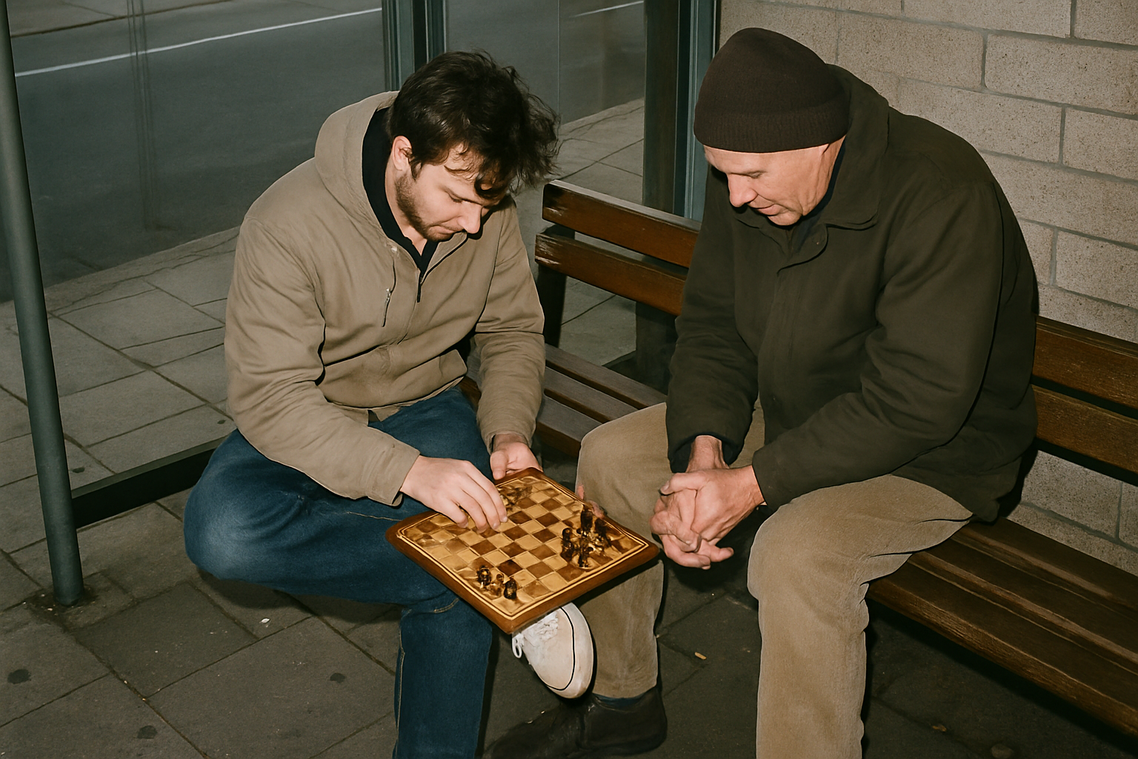
When you need entertainment that fits in a backpack (or even a jacket pocket), card games deliver instant fun without the bulk. They’re fast to set up, easy to learn, and perfect for restaurants, road trips, or waiting rooms. The real benefit? You turn “dead time” into connection time.
Sushi Go!
How to Play: Sushi Go! uses a mechanic called card drafting—that’s when players choose one card from their hand and pass the rest to the next person. You’re building the best combination of sushi dishes (sets score more points) while guessing what others might keep.
Why It Works for All Ages: The bright iconography makes it easy for kids to recognize combos, and the scoring relies on simple addition. Because hands rotate quickly, no one is stuck with bad cards for long (a small mercy for competitive siblings). Luck keeps it fair, but adults can lean into probability and strategic set collection. The payoff? Quick rounds mean more chances to win—and fewer meltdowns.
UNO (With a Twist)
How to Play: Match a card by color or number, and use action cards to shake things up. First one out wins.
The All-Ages Hack: Add house rules like “Stacking Draw 2s” (players can pile them on) or “Jump-In” (play out of turn if you have an exact match). Some argue house rules ruin the purity of the game—but honestly, a little chaos levels the playing field and keeps teens, parents, and younger kids equally invested.
As part of your rotation of screen free family games, these portable picks build quick thinking, patience, and laughter—benefits that linger long after the cards are packed away. Pair them with your next outdoor adventures that strengthen family connections for even deeper bonding.
Get Moving: Active Games That Don’t Need a Screen
When energy is high but screens are off, the right game can turn restlessness into connection. Think of this as Charades vs. Scavenger Hunt—both fun, both active, but each shines in different ways.
Game 1: Charades or Pictionary
How to Play:
- One player acts out (Charades) or draws (Pictionary) a word or phrase.
- Their team guesses within a time limit.
- No speaking for Charades; no letters or numbers for Pictionary.
Why It Works for All Ages:
This game scales easily. Younger kids can guess animals or foods. Older players can tackle movie titles or famous landmarks. It’s about expression, not artistic talent (stick figures are welcome). Studies show that imaginative play strengthens communication and problem-solving skills (American Academy of Pediatrics, 2018).
Best For: Quick bursts of laughter and creativity in small or large groups.
Game 2: Indoor Scavenger Hunt
How to Play:
- Hide items around the house.
- Create picture clues for non-readers.
- Write riddles for older kids and adults.
The Bonding Element:
Unlike the competitive vibe of Charades, scavenger hunts lean collaborative. Older kids can help younger ones decode clues, turning it into a shared mission instead of a race. (Pro tip: mix easy and tricky clues so everyone gets a win.)
Best For: Teamwork, movement, and stretching the adventure over time.
If Charades is fast and expressive, Scavenger Hunts are strategic and cooperative. Both are classic screen free family games that break up sedentary days while building connection—no batteries required (and no Wi-Fi meltdowns either).
Think of this as your Avengers-level team-up moment—no capes, just cards and couch cushions. You now have a complete playbook of vetted, family-approved offline games for everything from rainy Saturdays to restaurant waits that feel longer than a Taylor Swift encore. The real villain? A screen-saturated world that makes connection across ages feel awkward. These screen free family games work because they rely on universal mechanics—matching, building, guessing, moving—simple actions that spark laughter fast. Shared play beats shared Wi-Fi. Don’t just scroll past this. Pick one game, block 30 minutes this week, and press start on a new family tradition.
Bring Back Real Connection at Home
You came here looking for simple, meaningful ways to nurture your family without feeling overwhelmed or glued to devices. Now you have practical ideas to create deeper bonds, spark curiosity, and turn everyday moments into lasting memories.
The truth is, too much screen time leaves many parents feeling disconnected and frustrated. What you really want is laughter at the dinner table, creative play in the living room, and shared experiences your kids will actually remember. Choosing on screen free family games and intentional bonding activities helps you reclaim that connection and restore balance in your home.
Now it’s your move. Start with one activity tonight. Clear the space, gather the family, and be fully present. If you’re ready for more easy, proven ideas trusted by thousands of parents who want calmer days and closer relationships, explore our full collection of nurturing tips and family activities today. Your stronger, more connected family life starts now.
 Parenting & Wellness Specialist
Ronald Hernandezianso writes the kind of motherhood wellness ideas content that people actually send to each other. Not because it's flashy or controversial, but because it's the sort of thing where you read it and immediately think of three people who need to see it. Ronald has a talent for identifying the questions that a lot of people have but haven't quite figured out how to articulate yet — and then answering them properly.
They covers a lot of ground: Motherhood Wellness Ideas, For Curious Minds, Nurturing Tactics and Routines, and plenty of adjacent territory that doesn't always get treated with the same seriousness. The consistency across all of it is a certain kind of respect for the reader. Ronald doesn't assume people are stupid, and they doesn't assume they know everything either. They writes for someone who is genuinely trying to figure something out — because that's usually who's actually reading. That assumption shapes everything from how they structures an explanation to how much background they includes before getting to the point.
Beyond the practical stuff, there's something in Ronald's writing that reflects a real investment in the subject — not performed enthusiasm, but the kind of sustained interest that produces insight over time. They has been paying attention to motherhood wellness ideas long enough that they notices things a more casual observer would miss. That depth shows up in the work in ways that are hard to fake.
Parenting & Wellness Specialist
Ronald Hernandezianso writes the kind of motherhood wellness ideas content that people actually send to each other. Not because it's flashy or controversial, but because it's the sort of thing where you read it and immediately think of three people who need to see it. Ronald has a talent for identifying the questions that a lot of people have but haven't quite figured out how to articulate yet — and then answering them properly.
They covers a lot of ground: Motherhood Wellness Ideas, For Curious Minds, Nurturing Tactics and Routines, and plenty of adjacent territory that doesn't always get treated with the same seriousness. The consistency across all of it is a certain kind of respect for the reader. Ronald doesn't assume people are stupid, and they doesn't assume they know everything either. They writes for someone who is genuinely trying to figure something out — because that's usually who's actually reading. That assumption shapes everything from how they structures an explanation to how much background they includes before getting to the point.
Beyond the practical stuff, there's something in Ronald's writing that reflects a real investment in the subject — not performed enthusiasm, but the kind of sustained interest that produces insight over time. They has been paying attention to motherhood wellness ideas long enough that they notices things a more casual observer would miss. That depth shows up in the work in ways that are hard to fake.