

Homework time. We know it well (the) daily sighs, the distractions, the frustration. Both for you and your child.
You’re not alone. We’ve been through these battles, too. That’s why I’m writing this.
To share what actually works.
Not just a list of tips, but a simple guide. A step-by-step plan to build effective study habits at home. Why?
Because we want to transform study time from a struggle into something smooth and productive. Imagine a study routine that doesn’t feel like pulling teeth.
By the end of this article, you’ll have a practical toolkit (a real one) to change how homework goes down. You’ll make homework routines home an easier part of life. Trust me, this isn’t just theory.
It’s based on real experiences. Let’s make this less of a fight.
Your Ultimate Study Spot: No Remodel Required
Setting up a study zone isn’t just about aesthetics. It’s about signaling to your brain that it’s time to focus. When you have a dedicated space, your brain knows it’s time to concentrate.
You don’t need a full remodel to make this happen.
Ever heard of the “One Spot” rule? It’s a game-changer. Pick a consistent, quiet, and well-lit spot for homework.
Even if it’s just a corner of the kitchen table. Your child learns to associate that spot with study time. Trust me, it works wonders for homework routines home.
Now, let’s talk tech. It’s a distraction, right? So why not create a “phone box” or use simple app blockers during study hours?
It’s not punishment. It’s giving their brain a break from the digital chaos. You know what I mean.
Keeping distractions at bay helps them focus better.
Another tip? The “Ready-to-Go Caddy.” Keep all necessary supplies like pencils and paper in one place. No more time-wasting scavenger hunts for materials when you should be diving into that math homework.
And if you’re curious about building more effective routines, maybe for mornings, you might want to learn more about calming morning rituals. It’s all about creating a smooth, distraction-free environment.
So, there you have it. A perfect study zone without tearing down walls or breaking the bank. It’s about consistency, minimal distractions, and having everything you need within arm’s reach.
It’s these small tweaks that make a huge difference. Now go set up that space and watch the magic happen!
Homework Routines That Actually Stick
Ever feel like every day is Groundhog Day, arguing over homework? You’re not alone. A consistent routine can banish those daily debates.
When the routine’s set, there’s less room for “But, Mom!” moments.
Let’s talk about the “Golden Hour.” It’s key to find the best time for your child to tackle homework. Is it right after school when everything’s fresh, or do they need a 30-minute break first? Watch their energy levels.
Notice any patterns? That’s your clue.
Then there’s the “First, Then” plan. It’s simple but effective. “First, we’ll finish your math worksheet, then we can go outside.” This sets clear expectations. Kids love knowing there’s a reward on the horizon.
It gives them a sense of control, which is solid.
Visual schedules are game-changers. Grab a whiteboard or a piece of paper. Draw up the evening routine: Snack, Homework, Free Time, Dinner.
With a schedule, kids know what to expect. They feel more involved and less like they’re being dragged through the evening.
Now, let’s tackle big projects. Use the “Chunking” method. Break down that daunting book report into bite-sized pieces.
Tackle a bit each day. It’s less overwhelming and teaches time management. Speaking of managing time, ever wondered how can i create consistent homework routines at home?
Check out that link for more takeaways.
Pro tip: Make the routine visible. I’m talking about putting it up where your child can see it daily. This constant reminder helps reinforce the habit.
And trust me, habits are solid. They’ll carry these lessons far beyond just homework routines home.
Consistency is key. Start small, tweak as needed, and watch as those after-school battles become a relic of the past.
Clever Study Tips: Tailored Techniques for Every Kid
I’ve seen it time and again: not all kids learn the same. Trying to fit every child into one study mold is like expecting every pasta shape to fit neatly in a jar (doesn’t) work. So, why do we keep pushing the same old homework routines at home?
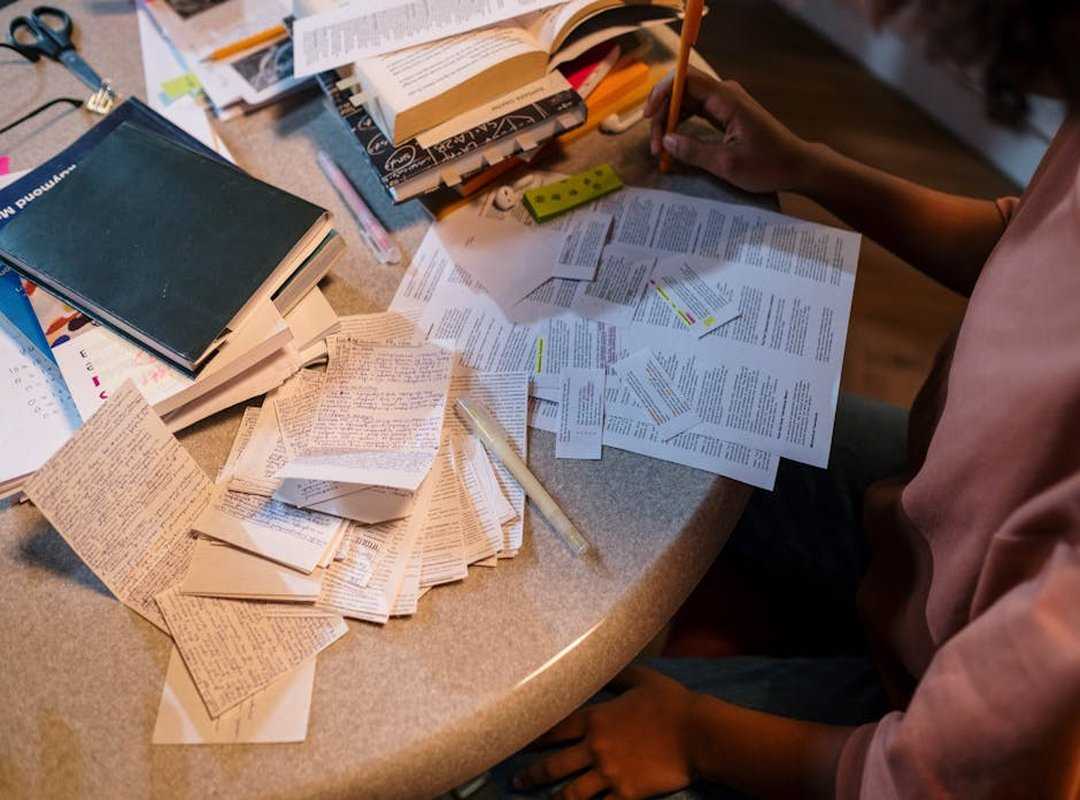
For the visual learner, it’s all about colors and images. Highlighters are their best friends. I usually suggest letting them loose with color-coding and mind maps.
Ever drawn a simple diagram and felt that “aha” moment? That’s what I’m talking about.
And then we have the auditory learners. They’re the ones who hum their way through life. Reading notes aloud, making up songs, or explaining ideas to you or their sibling (these) kids find rhythm in facts.
Do you remember Schoolhouse Rock? Yep, just like that.
Now, let’s not forget the hands-on kids. The kinesthetic learners. They’re movers and shakers, needing to physically engage.
Flashcards they can sort? Perfect. Building models for science?
Even better. Sometimes, simply pacing while studying can help them focus. Strange, but it works.
A universal gem for all types? The “Teach Me” method. Ask your child to teach you what they’ve learned.
This method isn’t just about spitting facts back at you, it’s about understanding on a deeper level. If they can explain it well, they’re solid on the topic. If not, it exposes the gaps.
Wondering about bedtime tips for your kiddos? I’ve found some effective bedtime stories families love. It’s a game-changer, trust me.
Anyway, understanding how your child learns can make a massive difference. Traditional methods aren’t for everyone, and that’s okay.
So, mix up those routines. Try out these strategies. Your child’s unique way of learning is something to be celebrated, not squeezed into a one-size-fits-all approach.
Let’s make studying as unique as they are.
Keeping Them Motivated: When Screens Call Louder
It’s tough, right? The constant pull of screens is constant. Kids (and let’s be honest, adults too) are glued to them.
But here’s the thing: motivation isn’t just about cutting off screen time. It’s about creating a balance. “Brain Breaks” come in. You get them to work for 25 minutes, then take a real break (not) just swapping screens.
How about stretching or doing 10 jumping jacks?
Now, let’s talk about praise. I’m not all for just saying, “You’re so smart.” It sets the wrong tone. Instead, I tell them, “I’m proud of how hard you worked.” It’s about effort, not just grades.
Builds resilience and that ever-important growth mindset.
Setting goals is another game-changer. Rather than overwhelming them with the whole week’s homework, zoom in. Focus on tonight’s tasks.
Celebrate those small wins. It’s all about building momentum in your homework routines home.
These aren’t just parenting tactics. They’re life skills. The goal here isn’t just homework done.
It’s nurturing kids who can handle a world full of distractions.
Turning Family Stress into Success
Homework stress cracks families apart, doesn’t it? But turning battles into victories starts with small steps. We can build a better future (one where nightly struggles don’t rule your home) by establishing homework routines home.
It’s not rocket science. Start with one plan from this guide. Maybe a predictable routine or a supportive environment.
Something manageable. Change won’t happen overnight, but it will happen. You won’t just improve grades; you’ll strengthen bonds.
Ready to make a difference? Try one approach this week. You’ve got this.
And when you need more guidance, remember help’s just a click away.
 Founder & Chief Visionary Officer
Xyphos Velmyre writes the kind of nurturing tactics and routines content that people actually send to each other. Not because it's flashy or controversial, but because it's the sort of thing where you read it and immediately think of three people who need to see it. Xyphos has a talent for identifying the questions that a lot of people have but haven't quite figured out how to articulate yet — and then answering them properly.
They covers a lot of ground: Nurturing Tactics and Routines, Daily Parenthood Highlights, Scoop Family Bonding Moments, and plenty of adjacent territory that doesn't always get treated with the same seriousness. The consistency across all of it is a certain kind of respect for the reader. Xyphos doesn't assume people are stupid, and they doesn't assume they know everything either. They writes for someone who is genuinely trying to figure something out — because that's usually who's actually reading. That assumption shapes everything from how they structures an explanation to how much background they includes before getting to the point.
Beyond the practical stuff, there's something in Xyphos's writing that reflects a real investment in the subject — not performed enthusiasm, but the kind of sustained interest that produces insight over time. They has been paying attention to nurturing tactics and routines long enough that they notices things a more casual observer would miss. That depth shows up in the work in ways that are hard to fake.
Founder & Chief Visionary Officer
Xyphos Velmyre writes the kind of nurturing tactics and routines content that people actually send to each other. Not because it's flashy or controversial, but because it's the sort of thing where you read it and immediately think of three people who need to see it. Xyphos has a talent for identifying the questions that a lot of people have but haven't quite figured out how to articulate yet — and then answering them properly.
They covers a lot of ground: Nurturing Tactics and Routines, Daily Parenthood Highlights, Scoop Family Bonding Moments, and plenty of adjacent territory that doesn't always get treated with the same seriousness. The consistency across all of it is a certain kind of respect for the reader. Xyphos doesn't assume people are stupid, and they doesn't assume they know everything either. They writes for someone who is genuinely trying to figure something out — because that's usually who's actually reading. That assumption shapes everything from how they structures an explanation to how much background they includes before getting to the point.
Beyond the practical stuff, there's something in Xyphos's writing that reflects a real investment in the subject — not performed enthusiasm, but the kind of sustained interest that produces insight over time. They has been paying attention to nurturing tactics and routines long enough that they notices things a more casual observer would miss. That depth shows up in the work in ways that are hard to fake.